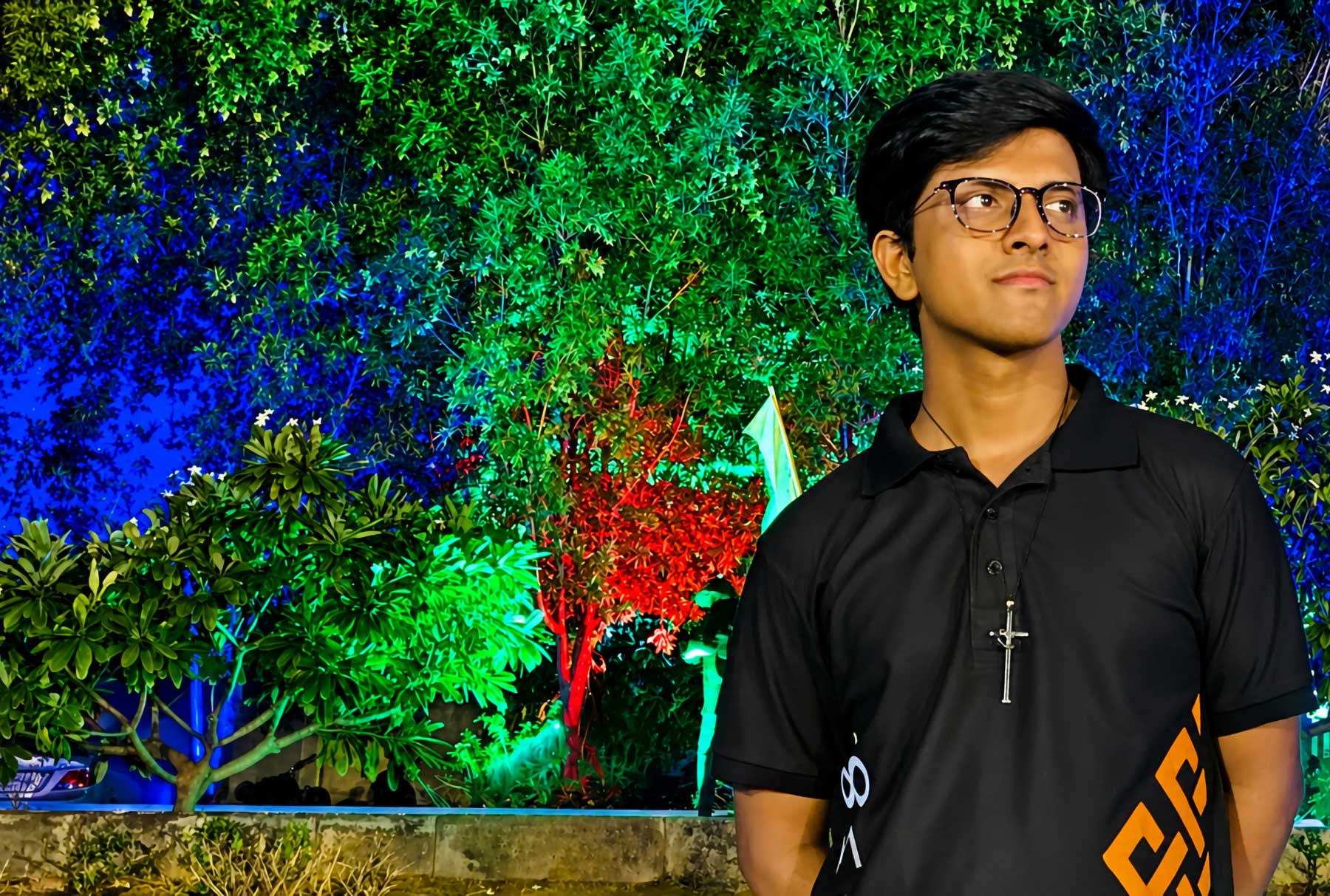
Meet Omkar
Media and Public Relations MA
Why did you choose to study in the UK?
I wanted to experience a different education system, one that would challenge me and help me be more independent.
The UK stood out to me because of the strength of its universities, including Russell Group institutions, and the international value of a UK degree.
As someone interested in media, public relations and communication, I was also encouraged by the UK’s strong reputation in this field, including its recognition in Communication and Media Studies rankings.
Scholarship options also influenced my decision. They made studying abroad feel more realistic for me as an international student.
I wanted to be in a place where I could meet people from different backgrounds, build confidence and learn both inside and outside the classroom.
Â鶹´«Ã½ made the decision feel even better because it's known as a student-friendly city, which made moving to the UK feel less overwhelming. For me, it felt like a place where I could grow, gain confidence and prepare for the kind of career I want to build.
Why did you choose Â鶹´«Ã½?
I chose Â鶹´«Ã½ because the MA Media and Public Relations course matched the academic and professional direction I wanted to take.
I was interested in studying a programme that would help me understand media, public relations, campaigns, audiences and communication strategy in a more structured and critical way.
The course felt relevant to my future goals because I wanted to develop from having an interest in media and communication into someone with stronger research, writing, planning and professional communication skills.
I was also drawn to Â鶹´«Ã½ because of its academic reputation, international outlook and focus on employability.
As an international student, I wanted to study at a university where I could challenge myself, gain a UK academic experience and build confidence for a future career in digital communications, storytelling, culture and public engagement.
Â鶹´«Ã½ felt like the right choice because it offered both academic development and practical relevance to the kind of work I hope to do.
For me, Â鶹´«Ã½ is special because it became a place where I felt included, valued and proud of what I contributed.
What do you love about Â鶹´«Ã½?
What I love most about Â鶹´«Ã½ is that it has given me moments where I felt I truly belonged.
As an international student, this has meant a lot to me. One of the first places I felt this was within my MA Media and Public Relations course community.
Through NETWALK activities and cultural visits, including the Laing Art Gallery, Lit & Phil and the Â鶹´«Ã½ Christmas Market, I was able to collect small moments that stayed with me in a different way from lectures.
The festive gathering was another special memory because it brought our course community together in a warm and welcoming way.
My most meaningful memory, however, was attending the Student Rep Awards 2026. It made me feel that my efforts as a student representative had been seen and valued, and that I had contributed something positive to the student experience.
For me, Â鶹´«Ã½ is special because it became a place where I felt included, valued and proud of what I contributed.
What surprised you about Â鶹´«Ã½?
What surprised me most about Â鶹´«Ã½ was how naturally university life connects with the city.
Around Â鶹´«Ã½, places like Haymarket, Northumberland Street and Eldon Square quickly became part of my student routine, while the Quayside gave me a different side of the city to explore.
I didn't expect it to feel so easy to go from lectures or the Philip Robinson Library to cafes, shops, restaurants and green spaces like Leazes Park.
I enjoyed discovering Grainger Market and Chinatown with friends, which made Â鶹´«Ã½ feel more diverse, lively and welcoming than I expected.
Even small moments, like walking through the city after studying or trying new food places after classes, helped me feel less nervous, build independence and find my own rhythm here.
What student support services have you accessed at university and how has this helped you?
At Â鶹´«Ã½, I have used support that made my student experience more manageable and meaningful.
The Careers Service was especially useful because I could book appointments through MyCareer for CVs, cover letters and interview preparation.
It showed me how UK job applications work, how to tailor each application to the role and how to prepare properly before interviews.
I also used the Make It Happen Fund for interview costs such as travel and suitable clothing, which removed some financial worry when applying for jobs.
When I was feeling stressed and struggling with my mental health, counselling and therapy through the Student Health and Wellbeing Service gave me space to speak openly and manage things better.
My academic personal tutor has been a steady point of contact for course questions, personal concerns, networking advice and guidance on suitable roles.
As an international student, the Airport Meet and Greet and International Welcome events made the first few days in Â鶹´«Ã½ feel less confusing.
I have also used NUSU’s Student Pantry for food support, and the Activities Access Fund allowed me to join student activities without cost becoming a barrier.
I enjoyed discovering Grainger Market and Chinatown with friends, which made Â鶹´«Ã½ feel more diverse, lively and welcoming than I expected.Â
How have you found the social aspect of university?
I have found the social aspect of university really enjoyable and welcoming. In the beginning, I was nervous as everything felt unfamiliar, but joining activities organised by Â鶹´«Ã½ Students’ Union helped me feel more settled.
I enjoyed taking part in the Campus Tour and City Tour as they helped me get familiar with Â鶹´«Ã½, and the Quayside Market Walk and Ouseburn Social Walk were great ways to explore the city while meeting other students.
I also enjoyed Chilled Out Crafts as it felt relaxed and easy to join, especially after busy university days.
Some of my favourite experiences were the trips to Cragside, Edinburgh, Lindisfarne and Bamburgh Castle. I got to visit places I had never seen before and spend time with new people outside my course.
These activities gave me the chance to explore new places, relax outside my studies, meet different students, and make memorable experiences during university.
Have you joined a society or club?
I have joined the Korean Society, KPOP Society and LGBTQ+ Society. I enjoy Korean Society because it has helped me learn more about Korean culture through events like Korean Night, while also giving me a chance to meet students outside my course. I enjoy KPOP Society because the dance sessions and games nights are relaxed, fun and easy to join, even when I do not know many people. The LGBTQ+ Society is important to me because it creates a supportive and inclusive space where people can be themselves and feel accepted. What I enjoy most about being part of these societies is the sense of community. They give me opportunities to learn, take part in different activities, share interests with others and feel more connected to university life.
Describe your degree to a future student
The MA Media and Public Relations degree is a good mix of media, communication and public relations. If a future student asked me to describe it, I would say it helps you understand how media works in society and how organisations communicate with different audiences.
The course covers areas such as media and PR theory, research, campaign planning, media law, ethics and the use of AI in public relations, but these topics are also linked to practical work. You get to develop skills such as analysing media, writing for different platforms, preparing press releases and planning communication campaigns. Because the course is recognised by the Chartered Institute of Public Relations, it also feels connected to the PR field outside the classroom.
Towards the end of the degree, students complete either a dissertation or final project, which gives them the chance to explore a topic connected to their interests or what they may want to do after the course.
What stands out for you about your degree at Â鶹´«Ã½?
What stands out for me about my degree at Â鶹´«Ã½ is how much choice the programme gives students in shaping their own route through the course. I chose Digital Communication for Cultural Institutions and Organisations and Freelancing in Media and Communications, which gave me two different ways of looking at the subject: one linked to culture and organisations, and the other linked to freelance and industry work. Alongside this, the programme also offers modules such as Cultures of Data Visualization, Digital Politics, Communication, and AI, and Global Media, so students can follow different interests within the wider field. I also like that students can complete a Final Project, which feels more applied and portfolio-based than a traditional dissertation route and makes the course feel less restricted to one type of academic outcome.
What do you enjoy most about your degree?
What I enjoy most about my degree is that the learning has not been limited to lectures and seminars. I have really valued the workshops, guest talks and practical sessions because they make media and public relations feel closer to what actually happens outside the classroom. The media interview practice, for example, helped me understand that communication is not just about creating content. It is also about knowing what to say, when to say it and who you are speaking to. I also enjoyed hearing from people connected to cultural, creative and public-facing organisations, because those sessions brought a different energy to the course and made the subject feel more alive.
Another part I have liked is being the MA Media and PR Staff Student Committee Rep. It gave me a chance to listen to other students, share feedback and be more involved in what was happening on the course. I have genuinely enjoyed that because it made the degree feel more personal, and not just academic.
Did you receive any funding, if so, how did it help you?
The Vice Chancellor’s International Scholarship from Â鶹´«Ã½ helped me a lot because it reduced some of the pressure of studying abroad. As an international student, the cost of tuition fees and daily living can feel quite stressful, so the £7,000 reduction towards my tuition fees made a real difference. It helped me plan my finances better and feel more settled while adjusting to life in the UK. More than anything, it made me feel supported by the University and gave me more confidence to focus on my course without carrying as much financial worry.
What was the application process like and what are your top tips for applying?
The course application process was quite straightforward, but it did require time and attention to detail. As an international student, I had to make sure I understood the MA Media and Public Relations course structure, checked the entry requirements carefully and prepared my documents properly before applying. One thing I learnt from the process is that it is important not to rush the personal statement, because it is where you can explain why the course feels right for you and what you hope to gain from it. My top tips for applying to Â鶹´«Ã½ would be to start early, keep all your documents organised and be honest about your reasons for choosing the university and the course. I would also suggest asking questions if anything is unclear, because getting the right guidance early can make the whole process feel much easier.
Where do you see yourself in the future?
After completing my MA Media and Public Relations degree, I see myself moving into a digital communications or content-focused role. I am particularly drawn to culture, heritage, education and the creative industries because I enjoy work that brings research, stories and ideas closer to the public. I would be interested in roles such as Digital Communications Officer, Content Officer or Communications Executive, where I could work across campaigns, social media, website content and public-facing projects.
In the next few years, I want to strengthen my ability to plan content strategically, understand audience behaviour and measure how people respond to different forms of communication. Longer term, I hope to build a career where I can help organisations turn their work into content that is clear, relevant and engaging.
How has Â鶹´«Ã½ helped you realise your future?
Â鶹´«Ã½ has helped me realise the future I want to build by giving me the chance to try different kinds of work before deciding what suits me best. Through Â鶹´«Ã½, I have been able to take on three NCL internships with Stomping Grounds North East, the Ballast Hills Burial Ground project and MarraBio. Having these experiences alongside my MA showed me that I do not want to limit myself to one narrow area.
Other opportunities outside the course added another layer to this. The Marketing Trek to London gave me a clearer view of agency work and how campaigns are developed in professional settings. The Omnicom live client challenge showed me what it is like to respond to a real brief, work with people from different subject areas and present ideas under pressure. The Sustainable Business Challenge helped me see how communication can be part of practical responses to real organisational and social questions, not just campaigns or university assignments. Together, these experiences gave me a more grounded sense of the path I want to follow: a career where I can keep learning across sectors, apply communication in practical situations and work on projects that connect with different people, places and needs.
Why should a student pick this degree?
A student should pick this degree if they want to understand media and public relations in a way that feels connected to real life, not just theory. The course helps you think about why organisations communicate in certain ways, how trust is built, how messages can affect people, and why responsibility is important when communicating with the public. I think it is especially useful for students who enjoy asking questions, writing, discussing current issues and applying ideas to real examples. What I found valuable is that the degree gives you room to explore your own interests instead of pushing everyone towards one fixed path. It helped me become more confident in how I think, write and explain my ideas, while also making me clearer about the kind of communication work I want to do after university. If a student is curious and open to learning beyond only practical skills, I think this course can be a very good choice.
Related student stories


Lawrence from United Kingdom
Mathematics MMath
There’s a great balance between mathematical theory and computational work.

John from India
Geospatial Surveying and Mapping BEng
My course focuses on land and marine surveying applications. What sets the University apart in this area are the dedicated labs.
Aaryan from India
Computer Science BSc
To support my studies, I’ve been awarded a VCIS (Vice Chancellor International Scholarship) worth £4,000. The rest of my fees are self-funded.
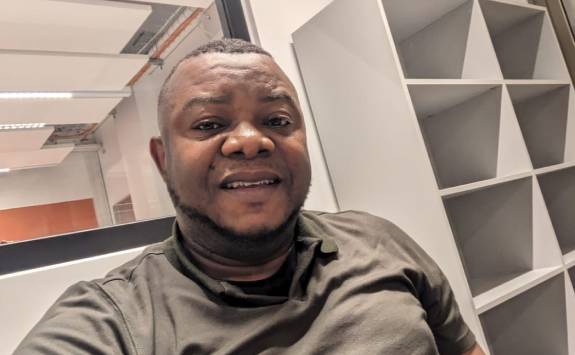

Lukman from Nigeria
Mechanical and Systems Engineering PhD
Â鶹´«Ã½ really welcomes international students. It’s clear that the institution strongly values inclusion and diversity.
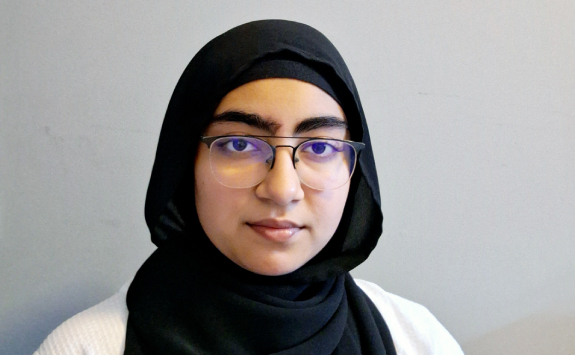
Madiha from India
English Literature with Creative Writing BA
The application process was straightforward and I felt very supported by the University throughout.


Jasmine from Malaysia
Dietetics MDiet
Â鶹´«Ã½ feels like somewhere between a big city and a small town.
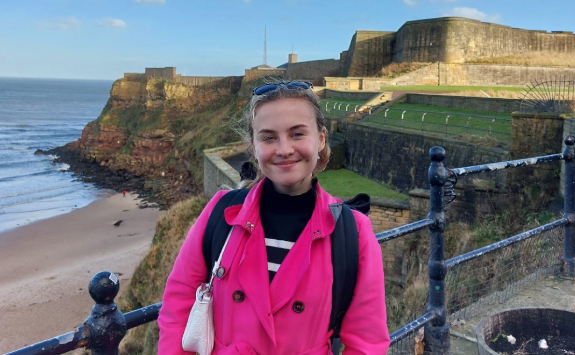

Hana from Czechia
International Business Management BSc
I’m not sure what I want to do in the future, being able to study lots of different modules is giving me the chance to explore all the possibilities.
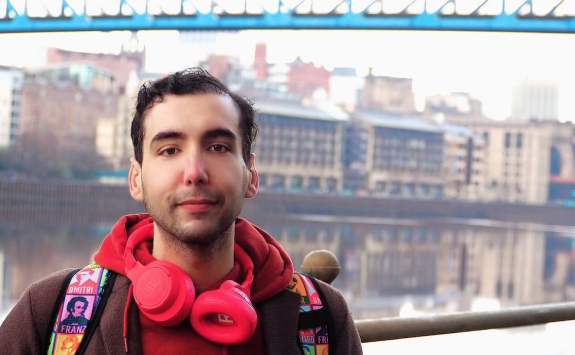

Bernardo from Brazil
Law PhD
I am deeply passionate about the RED (Researcher Education and Development) programme - it has been an integral part of my PhD journey.
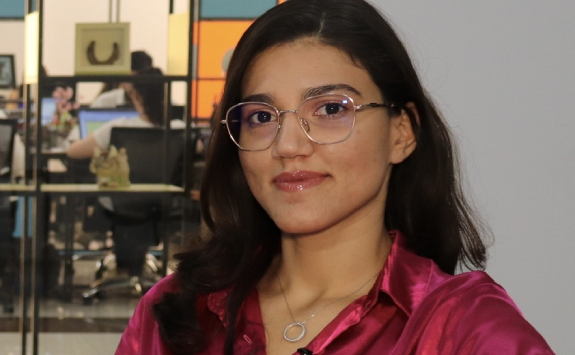

Aytach from Azerbaijan
Media and Public Relations MA
There is so much I enjoy about my course: the modules, practical tasks and assignments.